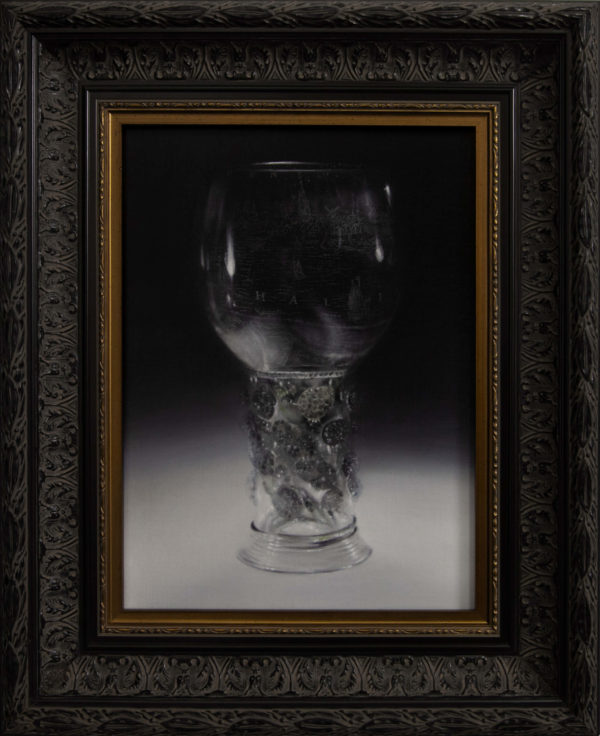

MENTAL PAINTING #1
Oil on linen on board 40×30 cm. (without the frame)
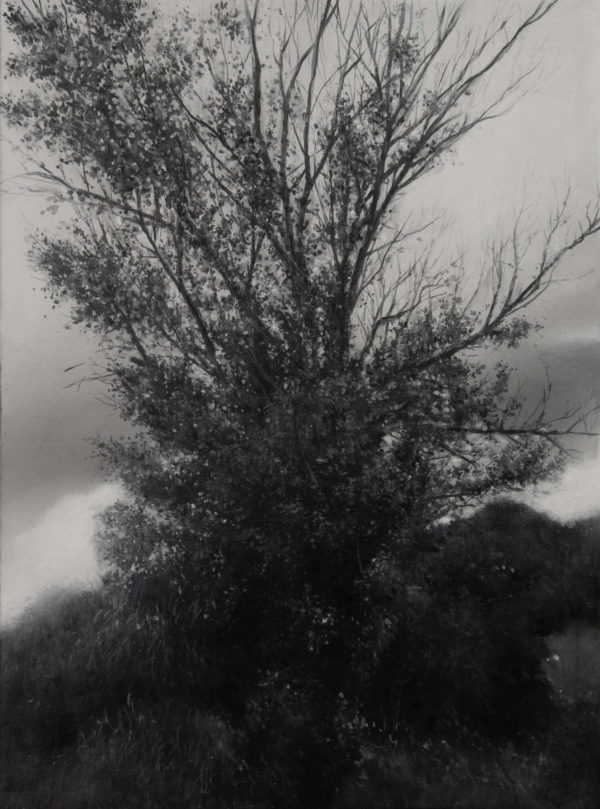

MENTAL PAINTING #3
Oil on linen on board 23×17 cm.
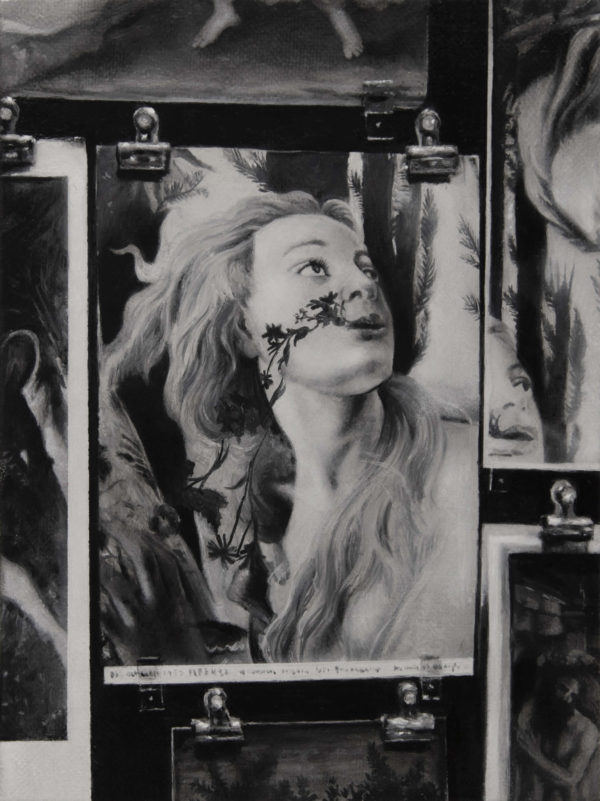

MENTAL PAINTING #4
Oil on linen on board 23×17 cm.
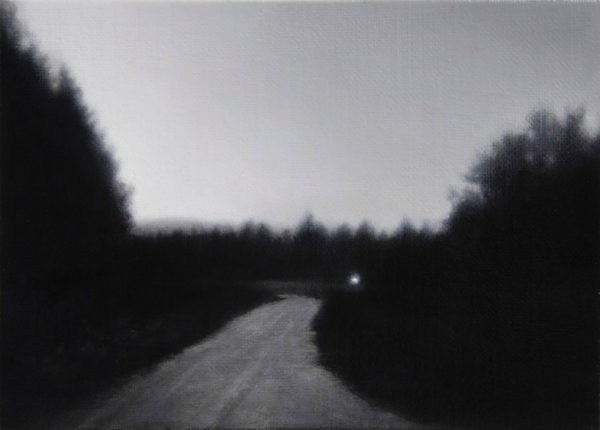

MENTAL PAINTING #6
Oil on linen on board 15×21 cm.
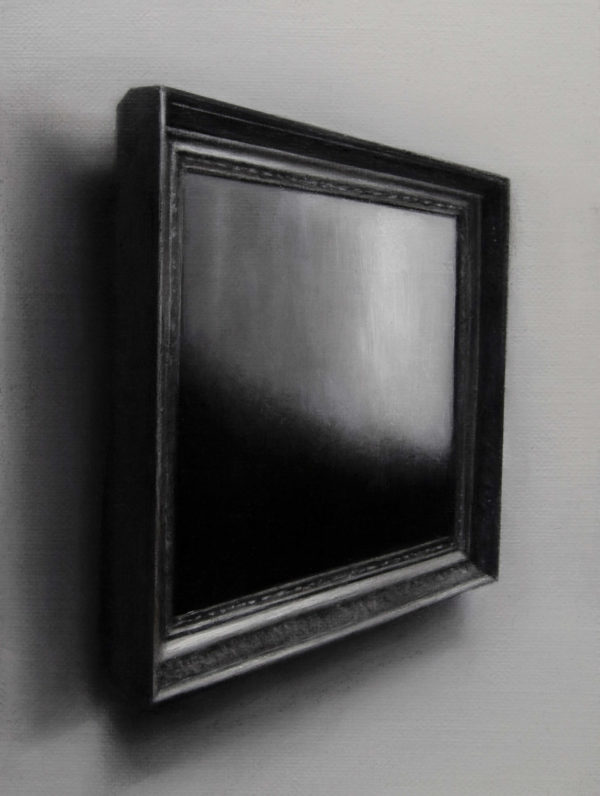

MENTAL PAINTING #9
Oil on linen on board 23×17 cm.


MENTAL PAINTING #5
Oil on linen on board 23×17 cm.
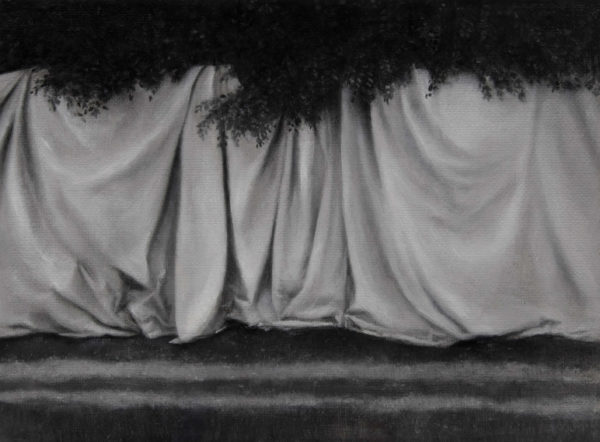

MENTAL PAINTING #10
Oil on linen on board 17×23 cm.
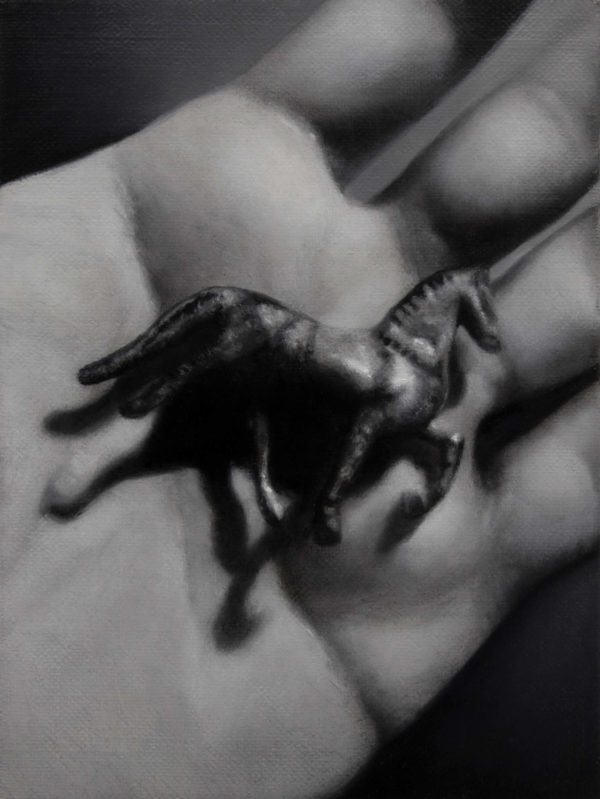

MENTAL PAINTING #8
Oil on linen on board 23×17 cm.
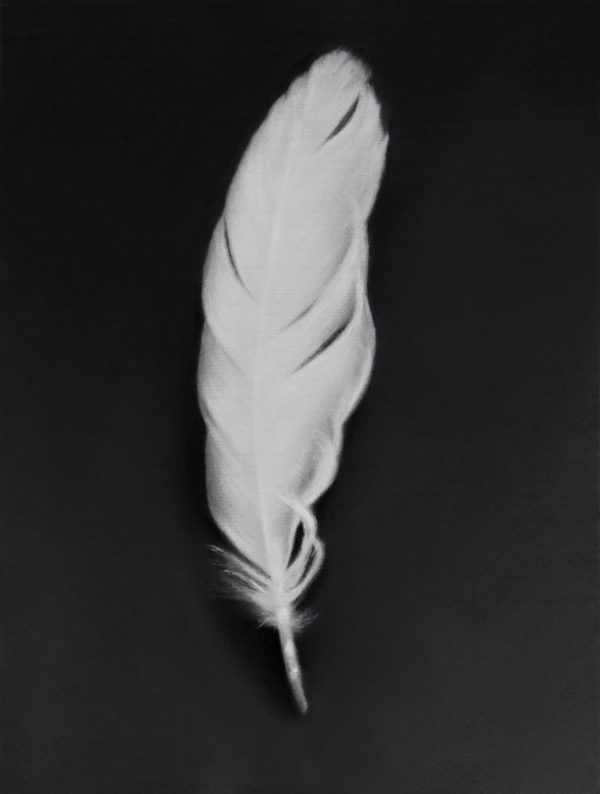

MENTAL PAINTING #7
Oil on linen on board 23×17 cm.
MENTAL PAINTING #1
Oil on linen on board 40×30 cm. (without the frame)
MENTAL PAINTING #3
Oil on linen on board 23×17 cm.
MENTAL PAINTING #4
Oil on linen on board 23×17 cm.
MENTAL PAINTING #6
Oil on linen on board 15×21 cm.
MENTAL PAINTING #9
Oil on linen on board 23×17 cm.
MENTAL PAINTING #5
Oil on linen on board 23×17 cm.
MENTAL PAINTING #10
Oil on linen on board 17×23 cm.
MENTAL PAINTING #8
Oil on linen on board 23×17 cm.
MENTAL PAINTING #7
Oil on linen on board 23×17 cm.
PAINTING IS A MENTAL THING
Berlin 2022
PAINTING IS A MENTAL THING
Giorgio Morandi and Alain Urrutia in a dialogue
An ideal dialogue between the work of Giorgio Morandi and that of Alain Urrutia finds assonances and frictions between one of the great masters of the Twentieth Century and a young Spanish painter. Their visual researches, albeit so different, aim to transfigure the images and objects, interweaving emotion and method, matter and lightness, reality and imagination, because, as Morandi once commented ‘there is nothing more surreal than reality’.
Giorgio Morandi (Bologna, 1890-1964) establishes a timeless interrogation with still life subjects he represents in his works: bottles, jars, jugs and tins. He investigates the physical reality of common objects in a way that opens to the metaphysical realm of elusive presences and contemplative enigmas. His works deal with suspended visions that if on the one hand suggest minimal fragments of reality, on the other they become a vessel for the viewer’s own imagination, allowing, also through repetition, a concentration that is both dogged and revelatory.
With a similar intention, Alain Urrutia (Bilbao, 1981) inserts each painting into a large, constantly growing mental map. As he pursues new ideas and territories, he approaches and moves away from what he is relentlessly searching for: what remains beneath the stillness of the images. Sudden emotions, reflected actions, common places and primary elements, it all creates intimacy as well as disorientation in his work.
What emerges by this confrontation and imaginary dialogue is the attitude towards of a conceptual idea of painting. It is a sort rarefied mental painting that transcends occasion and iconography, inhabited by a spirit of observation and experimentation, open to the world and to life. For Giorgio Morandi and Alain Urrutia, painted images participate with their entire system of space-time connections to the creation of a superior order, which claims autonomy and self-sufficiency, even if strongly material and not exclusively mystical.
LA PINTURA ES UNA COSA MENTAL
Giorgio Morandi y Alain Urrutia en dialogo.
Un diálogo ideal entre la obra de Giorgio Morandi y la de Alain Urrutia encuentra asonancias y fricciones entre uno de los grandes maestros del siglo XX y un joven pintor español. Sus investigaciones visuales, aunque diferentes, pretenden transfigurar las imágenes y los objetos, entrelazando emoción y método, materia y ligereza, realidad e imaginación, porque, tal y como comentó una vez Morandi, “no hay nada más surrealista que la realidad”.
Giorgio Morandi (Bolonia, 1890-1964) establece una interrogación atemporal con los temas de la naturaleza muerta que representa en sus obras: botellas, jarras, jarrones y latas. Investiga la realidad física de los objetos comunes de una manera que se abre al reino metafísico de las presencias esquivas y los enigmas contemplativos. Sus obras tratan de visiones suspendidas que, si por un lado sugieren fragmentos mínimos de la realidad, por otro se convierten en un recipiente para la propia imaginación del espectador, permitiendo, también a través de la repetición, una concentración a la vez obstinada y reveladora.
Con una intención similar, Alain Urrutia (Bilbao, 1981) inserta cada cuadro en un gran mapa mental en constante crecimiento. En su búsqueda de nuevas ideas y territorios, se acerca y se aleja de lo que busca sin descanso: lo que queda bajo la quietud de las imágenes. Emociones súbitas, acciones reflejadas, lugares comunes y elementos primarios, todo ello crea un halo de intimidad, así como de desorientación en su obra.
Lo que emerge de esta confrontación y diálogo imaginario es la actitud frente a una idea conceptual de pintura. Es una especie de pintura mental enrarecida que trasciende la ocasión y la iconografía, habitada por un espíritu de observación y experimentación, abierta al mundo y a la vida. Para Giorgio Morandi y Alain Urrutia, las imágenes pintadas participan con todo su sistema de conexiones espacio-temporales en la creación de un orden superior, que reclama autonomía y autosuficiencia, aunque de una manera fuertemente material y no exclusivamente mística.

