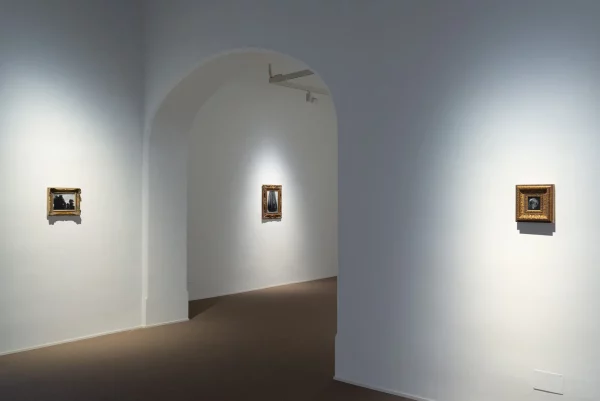

The Immortal
Pelaires Gallery (Palma de Mallorca)
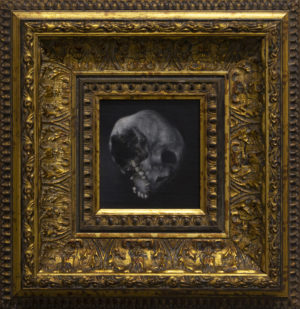

The Immortal #1
Berlin 2021. Oil on linen on board, 24,5×24 cm
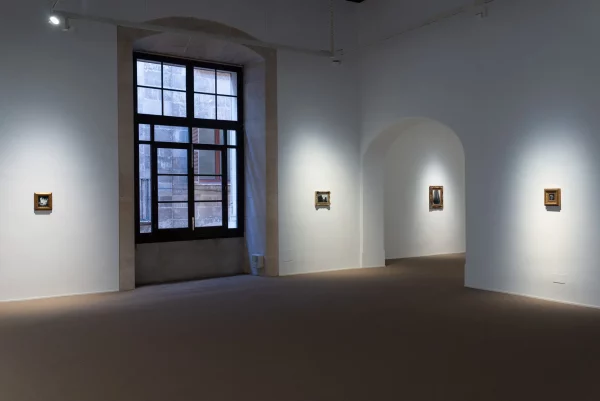

The Immortal
Pelaires Gallery (Palma de Mallorca)
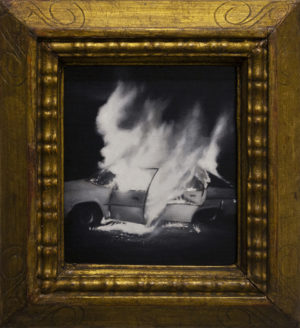

The Immortal #2
Berlin 2022. Oil on linen on board, 27,5×25 cm.
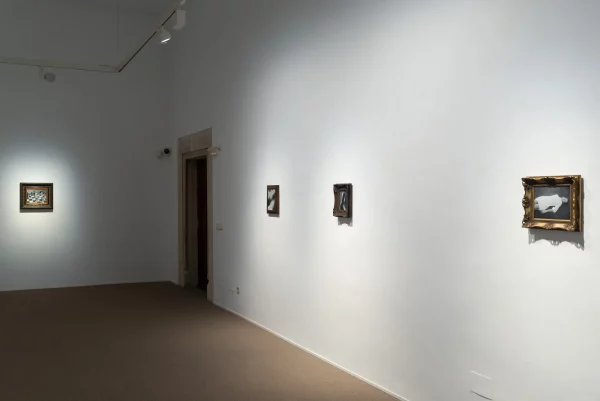

The Immortal
Pelaires Gallery (Palma de Mallorca)
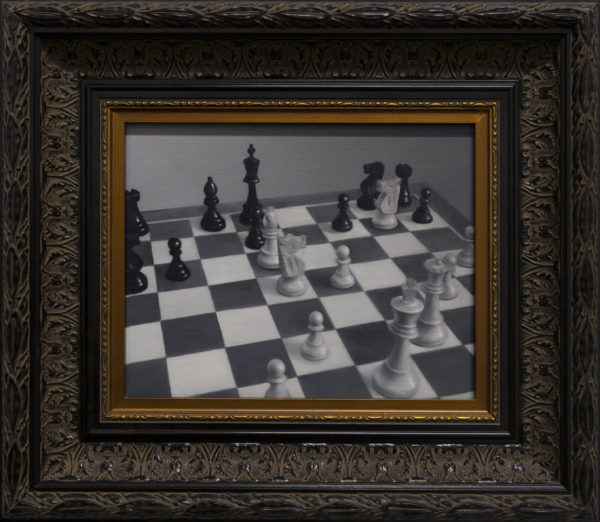

The Immortal
Anderssen – Kieseritzky (London, 1851)
Berlin 2022. Oil on linen on board 42×48 cm
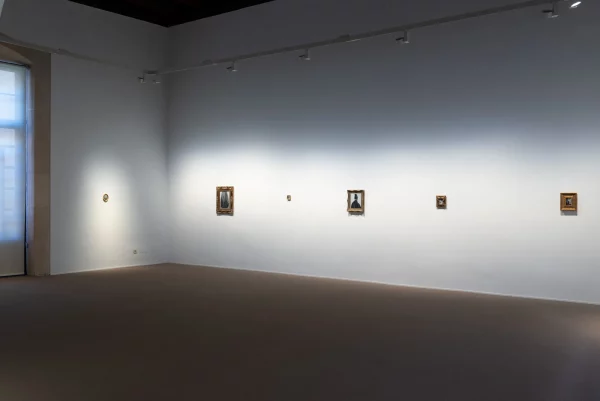

The Immortal
Pelaires Gallery (Palma de Mallorca)
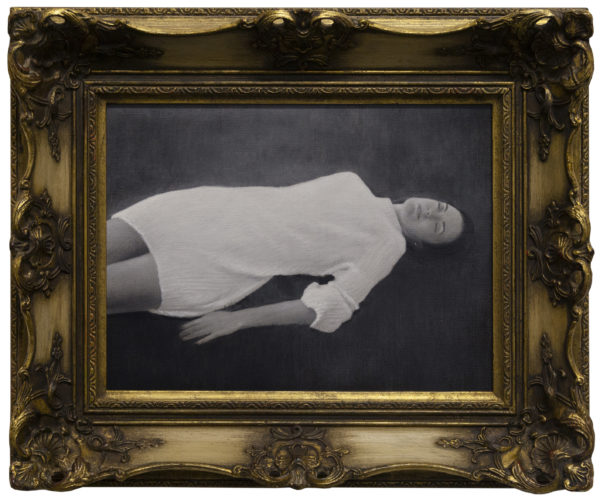

The Immortal #5
Berlin 2022. Oil on linen on board, 29×35 cm

The Immortal
Pelaires Gallery (Palma de Mallorca)
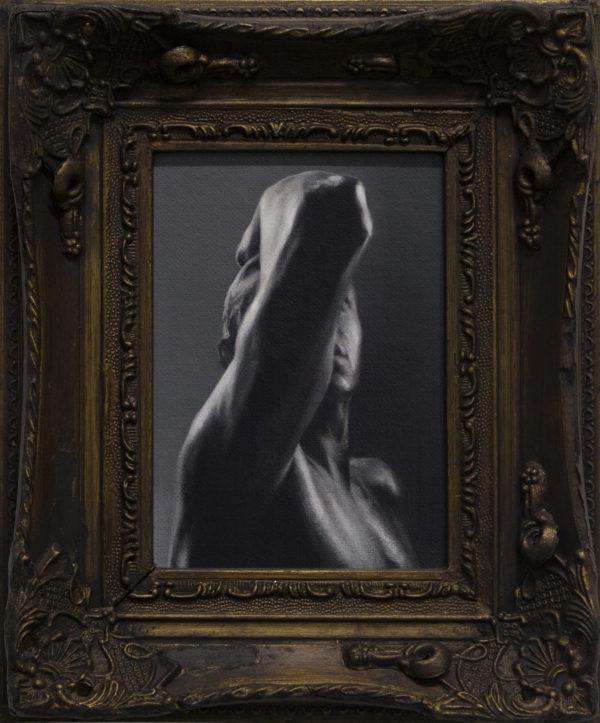

The Immortal #4
Berlin 2022. Oil on linen on board, 29,5×24,5 cm
The Immortal
Pelaires Gallery (Palma de Mallorca)
The Immortal #1
Berlin 2021. Oil on linen on board, 24,5×24 cm
The Immortal
Pelaires Gallery (Palma de Mallorca)
The Immortal #2
Berlin 2022. Oil on linen on board, 27,5×25 cm.
The Immortal
Pelaires Gallery (Palma de Mallorca)
The Immortal
Anderssen – Kieseritzky (London, 1851)
Berlin 2022. Oil on linen on board 42×48 cm
The Immortal
Pelaires Gallery (Palma de Mallorca)
The Immortal #5
Berlin 2022. Oil on linen on board, 29×35 cm
The Immortal
Pelaires Gallery (Palma de Mallorca)
The Immortal #4
Berlin 2022. Oil on linen on board, 29,5×24,5 cm
THE IMMORTAL
Berlin 2023
Pelaires Gallery
Palma de Mallorca 2023
The Immortal – Alain Urrutia
Duncan Ballantyne-Way
Before Michelangelo chiselled his statue of David out of the marble slab, it had lain outside, abandoned for over quarter of a century. Numerous sculptors had begun work on it but each time the project had fallen through, and they had found excuses to give up. It wasn’t until 1501, nearly 25 years after the marble slab had first been excavated, that the young 26-year-old sculptor from Caprese was commissioned to complete it. The story of the process by which Michelangelo managed to extract the figure of David from that block of stone has gone down in history. His achievement was considered so miraculous that the writer Giorgio Vasari would later come to describe it as “the bringing back to life of one who was dead.”
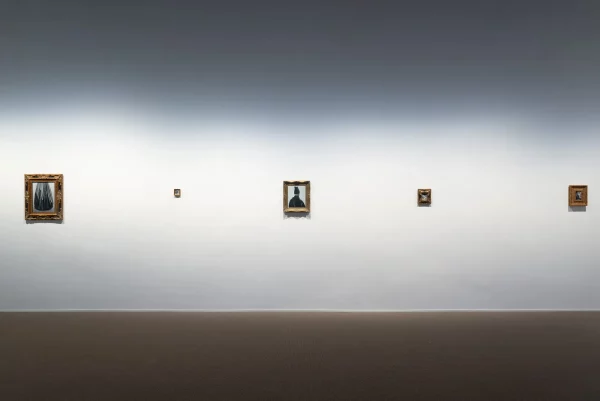
No one could have imagined that that discarded block of stone would one day be transformed into the world’s most revered work of art. It took the right sculptor to come along to carve it. This legendary story is the inspiration behind The Immortal, the latest series of intimate black and white paintings by Alain Urrutia. In his new exhibition, discarded wooden frames dating mainly from the 1900s, have become the painter’s own block of stone. Sometimes elaborate and gilded, at other times simple and austere, the artist has worked painstakingly to find the painting to fit each unique and distinctive frame – images to match the vistas each empty frame inspires.
In some cases, it has taken the artist years to find the appropriate image and the empty frames have accompanied Urrutia as he’s moved from Bilbao to London and finally to his studio in Berlin. Jumping between the deeply personal and the dreamy and sentimental, each case of frame reappropriation is an act of renewal, an appeal for longevity. In the painting The Immortal, depicting the penultimate move in a famous game of chess from 1851, the reckless sacrifice of the White player allow him to checkmate his opponent with his minor pieces. In Urrutia’s painting, there is no human presence, no hand to move the figures. Just like the frame that houses the painting, the game that has mesmerised so many, lives outside of human lifespan. It existed before and will exist again; its intricacies studied; its moves recreated.
Chess has long fascinated artists, a violent ritual enacted against a background of pure logic. Its refined brutality, threads through these paintings like the fire engulfing the motionless car in Komm, süßer Tod (Come, sweet death). The cinematic scene does not put you in mind of life endangered but of powerlessness. The artist is all too aware of the conceit of immortality. No artist can predict what will endure. The frames he’s filled are encasements for paintings long forgotten or lost. Urrutia plays with the idea that one day his painting might too be appropriated for something new; the frames salvaged again and reused. Like the tipped over human skull (memento mori), it is a potent reminder of the inevitability of death. As precarious as the woman’s soft, textured flesh. We see her lying down, extending her neck; shadows crossing her face.
These ethereal, intimate works, draw you in, forcing you to come right up close to scrutinise and perceive. Painting is “not so much a framed window opens on to the world as a safe let into the wall, a safe in which the visible has been deposited.” wrote John Berger in Ways of Seeing. In this series of paintings, sourced mainly from photographic documentation, the “framed window” is the work’s narrative thread and their formal extension. Nowhere is this better illustrated than in the two small paintings of eyes in their sister frames. One wide open, staring back, the other closed, inscrutable. With these fragmented poetic scenes, disconnected yet saturated in unknown meaning, Urrutia is continuing his quest to reconfigure the image, forcing us to consider not just what we are looking at but how we see it. Are we looking, the artist appears to be asking, with our eyes open or shut?
Intensified by his adept use of chiaroscuro (the extreme use of light and dark shading), the, monochromatic details of The Immortal create a heightened sense of emotionality, feelings that sit uneasily alongside many of the paintings’ impassivity. The images are static, like the classical dresses, with the flowing pleats in duplicate frames, intricately painted but still, as though to convey something uncommunicable. What that may be does not concern Urrutia, he is focused on the physical manifestation of the act of creation. The frames have been filled, windows have been opened and what was once thought dead has been brought back to life.
The Immortal – Alain Urrutia
Duncan Ballantyne-Way
Antes de que Miguel Ángel cincelara su estatua de David, la losa de mármol había permanecido a la intemperie, abandonada, durante más de un cuarto de siglo. Numerosos escultores habían empezado a trabajar en ella, pero el proyecto había fracasado en cada intento, siempre con una excusa para abandonar. Hubo que esperar hasta 1501, casi 25 años después de la excavación de la losa de mármol, para que el joven escultor de Caprese, de 26 años, recibiera el encargo de terminarla. La historia del proceso por el que Miguel Ángel consiguió extraer la figura de David de aquel bloque de piedra ha pasado a la historia. Su hazaña se consideró tan asombrosa que el escritor Giorgio Vasari llegaría a describirla más tarde como “el milagro de darle vida a algo que estaba muerto”.
Nadie podía imaginar que aquel bloque de piedra desechado se transformaría un día en la obra de arte más venerada del mundo. Tuvo que llegar el escultor adecuado para esculpirlo. Esta legendaria historia es lo que inspiró The Immortal, la última serie de íntimas pinturas en blanco y negro de Alain Urrutia. En su nueva exposición, marcos de madera desechados, en su mayoría de la década de 1900, se han convertido en el propio bloque de piedra del pintor. A veces elaborados y dorados, otras veces sencillos y austeros, el artista ha trabajado minuciosamente para encontrar el cuadro que encajara en cada marco único y distintivo, imágenes a la altura de las vistas que inspira cada marco vacío.
En algunos casos, el artista ha tardado años en encontrar la imagen adecuada, y los marcos vacíos han acompañado a Urrutia en sus traslados de Bilbao a Londres y, finalmente, a su estudio de Berlín. Saltando entre lo profundamente personal y lo onírico y sentimental, cada caso de reapropiación de marcos es un acto de renovación, un llamamiento a la longevidad. En el cuadro The Immortal, que representa la penúltima jugada de una famosa partida de ajedrez de 1851, el sacrificio temerario del jugador blanco le permite dar jaque mate a su adversario con sus piezas menores. En el cuadro de Urrutia, no hay presencia humana, ninguna mano que mueva las piezas. Al igual que el marco que alberga el cuadro, el juego que ha hipnotizado a tantos, vive fuera de la vida humana. Existió antes y volverá a existir; sus entresijos, estudiados; sus jugadas, recreadas.
El ajedrez ha fascinado durante mucho tiempo a los artistas, un ritual violento representado sobre un fondo de pura lógica. Su refinada brutalidad atraviesa estos cuadros como el fuego que envuelve el coche inmóvil en Komm, süßer Tod (Ven, dulce muerte). La escena cinematográfica no evoca la vida en peligro, sino la impotencia. El artista es demasiado consciente de la presunción de inmortalidad. Ningún artista puede predecir lo que perdurará. Los marcos que ha llenado son envoltorios de cuadros olvidados o perdidos hace tiempo. Urrutia juega con la idea de que un día su pintura también podría ser apropiada para algo nuevo; los marcos rescatados de nuevo y reutilizados. Al igual que el cráneo humano volcado (memento mori), es un poderoso recordatorio de la inevitabilidad de la muerte. Tan precaria como la carne suave y texturizada de la mujer. La vemos tumbada, extendiendo el cuello; sombras cruzando su rostro.
Estas obras etéreas, íntimas, te atraen, te obligan a acercarte para escrutar y percibir. La pintura “no es tanto una ventana enmarcada que se abre al mundo como una caja fuerte abierta en la pared, una caja fuerte en la que se ha depositado lo visible”, escribió John Berger en Ways of Seeing. En esta serie de cuadros, realizados principalmente a partir de documentación fotográfica, la “ventana enmarcada” es el hilo narrativo de la obra y su extensión formal. En ninguna parte queda esto mejor ilustrado que en los dos pequeños cuadros de ojos en sus marcos hermanos. Uno abierto de par en par, mirando de vuelta, el otro cerrado, inescrutable. Con estas escenas poéticas fragmentadas, inconexas pero saturadas de significados desconocidos, Urrutia prosigue su búsqueda de la reconfiguración de la imagen, obligándonos a considerar no sólo lo que miramos, sino cómo lo vemos. El artista parece estar preguntándonos: ¿Miramos con los ojos abiertos o cerrados?
Intensificados por su hábil uso del claroscuro, los detalles monocromáticos de The Immortal crean una intensa sensación de emotividad, que contrasta con la impasibilidad de muchos de los cuadros. Las imágenes son estáticas, como los vestidos clásicos, con los pliegues que fluyen en marcos duplicados, intrincadamente pintados pero inmóviles, como si quisieran transmitir algo incomunicable. Lo que pueda ser no preocupa a Urrutia, que se centra en la manifestación física del acto de creación. Los marcos se han llenado, las ventanas se han abierto y lo que antes se creía muerto ha vuelto a la vida.